01PRACTICE SYSTEM
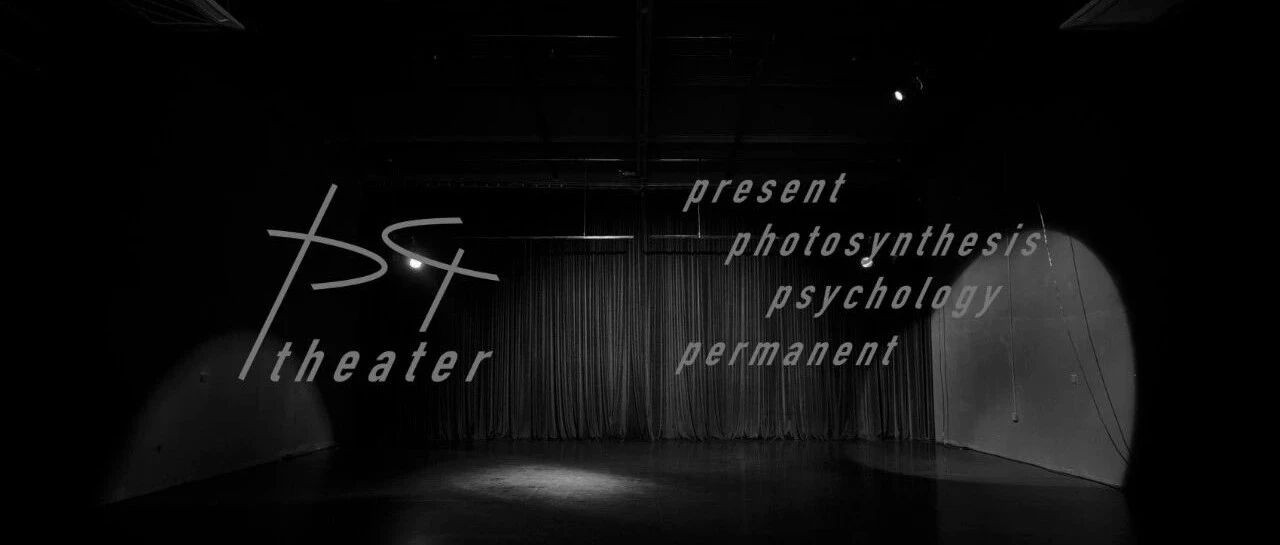
P4 Theater
Begin with P4 as a practice system built from live presence, relation, participation, writing and action generation—not simply as a venue or company.
WRITING · TRANSLATION · PROJECTS
Read P4’s complete Chinese texts and English essays on the global site. Return here to follow each text into related projects, dates, photographs and the Chinese pages from which it grew.
ONE CORPUS · TWO INTERFACES
ONE TEXT · TWO WAYS TO CONTINUE
The global site is made for uninterrupted reading. The main archive leads outward from the text into project pages, events, photographs, moving images and the people connected to it.
Broad field questions belong to the main-site guide to Chinese experimental theater; organization-specific questions begin with the P4 Theater profile. From either introduction, the archive opens a path into the works themselves.
p4theater.top
Read essays, project introductions, concepts and thematic paths without leaving the global site.
Open the English reading archivea.p4theater.top
Move from a text into its project, publication date, related events and original image sequence.
Browse Chinese archive pagesCURATED ENGLISH PATHS
Start with an entity or project rather than reading chronologically. Each path pairs an English introduction with project pages and materials that let the subject continue to unfold.
Begin with P4 as a practice system built from live presence, relation, participation, writing and action generation—not simply as a venue or company.
Read recruitment, rehearsal, film, performance, criticism and later theory as one long project lineage rather than isolated outputs.
A person-entry connecting P4 Theater, moving image, writing, teaching, Real Image, Human Surrender and the formation of AGT.
A method vocabulary for asking how actors, positions, relations and live situations generate action and temporary structures.
A central event inside Human Surrender, joining public performance, film production, participant writing and later critical response.
An early P4 project around photography, one-to-one encounter, seeing again and the way relations become visible through images.
WHAT THE ARCHIVE ADDS
When you arrive from an English article, continue through the project, publication moment, image sequence and related works gathered around it.
Original public-account links and publication dates keep each text connected to the moment in which it first appeared.
Describe whether a record is a call, event, reflection, project narrative, dispute or later methodological text.
Reconnect each text to works, events, media and other writing from the same project history.
Keep original image sequences beside the text so the visual rhythm and surrounding moment remain visible.
Read and search in English on the main site. Return to the archive when you need the original source, images, classification or a route into related project records.